
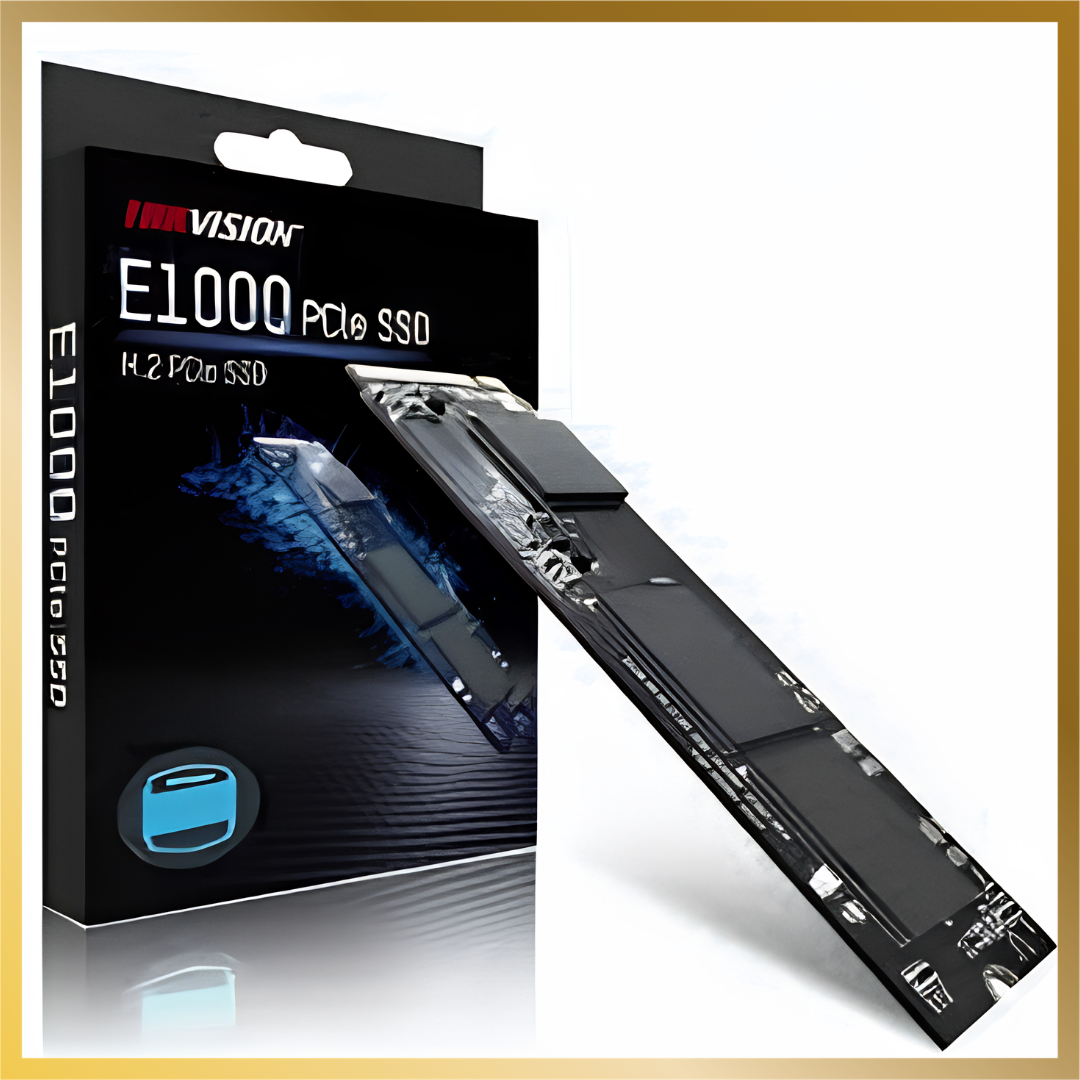
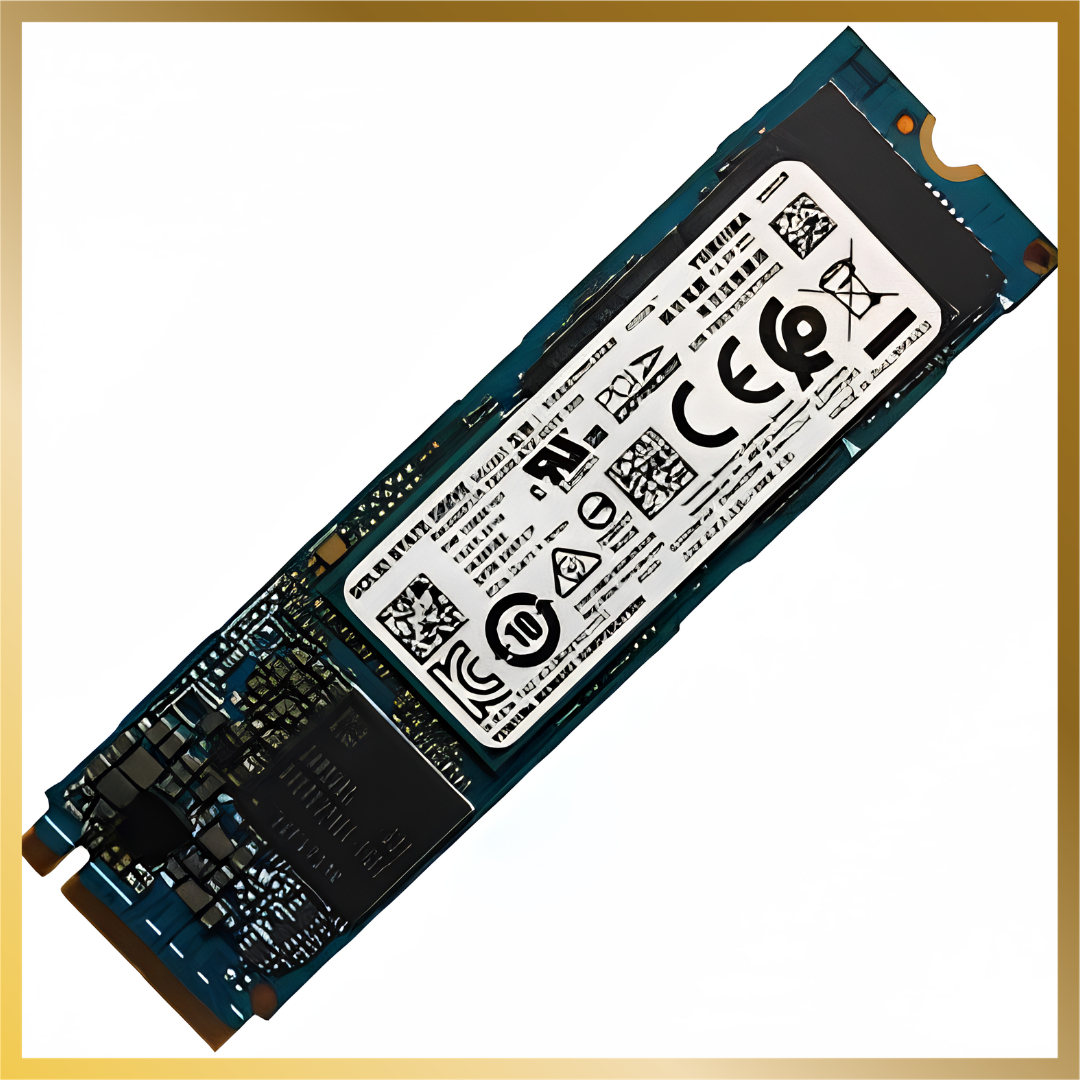
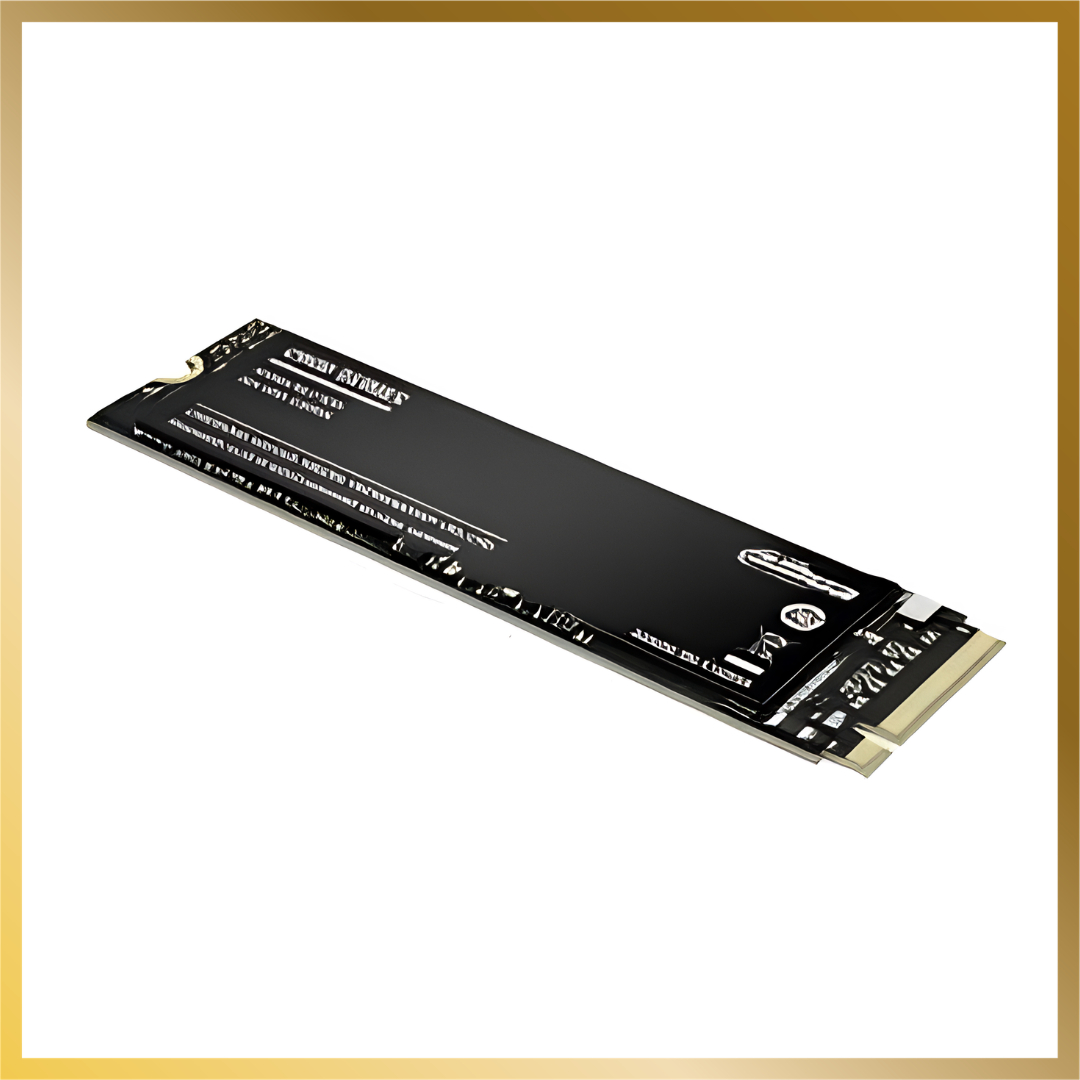
Description
Main Types of M.2 SSDs
• NVMe M.2 SSDs: Use the PCIe bus and NVMe protocol for high performance, reaching speeds from 2,000 MB/s to over 7,000 MB/s.
• SATA M.2 SSDs: Use the slower SATA interface, maxing out around 560 MB/s.
Key Features
• Compact Form Factor: Designed as a small, gum-stick-shaped card with a standard width of 22 mm and varying lengths—most commonly 2230, 2242, 2260, 2280, and 22110 (where the first two digits represent the width and the remaining digits represent the length in millimeters).
• No Cables Needed: Plugs straight into a dedicated M.2 connector on the motherboard, eliminating data and power cables to improve interior airflow and clean up builds.
• Interface Options (SATA vs. PCIe):
• SATA M.2 SSDs use the SATA III interface, capping speeds at around 6 Gbps (similar to standard 2.5-inch SATA drives).
• PCIe M.2 SSDs use the PCI Express bus for much higher bandwidth, reaching speeds past 7,000 MB/s on PCIe 4.0 (and higher on Gen 5).
• NVMe Protocol Support: High-performance M.2 drives typically pair PCIe with the NVMe (Non-Volatile Memory Express) protocol, which drastically reduces latency and boosts parallel input/output operations (IOPS) compared to older AHCI protocols.
• Keying and Slot Compatibility: Uses physical notches on the edge connector—such as B-key, M-key, or B+M key—to ensure the drive only fits into electrically compatible slots on the motherboard.
• Scalable Storage Capacities: Available in sizes ranging from 256 GB up to 8 TB depending on whether the drive is single-sided or double-sided.
Specifications
| Brand | Hikvision |
|---|---|
| Category | Storage Devices |
| Availability | In stock |
| Price | KShs 3,500.00 |

Reviews
There are no reviews yet.